How to Prevent Roof Tree Damage (The 1st Time)
Safeguard your home from tree damage. Discover expert tips to prevent roof tree damage. Protect your investment with Complete Roofing.
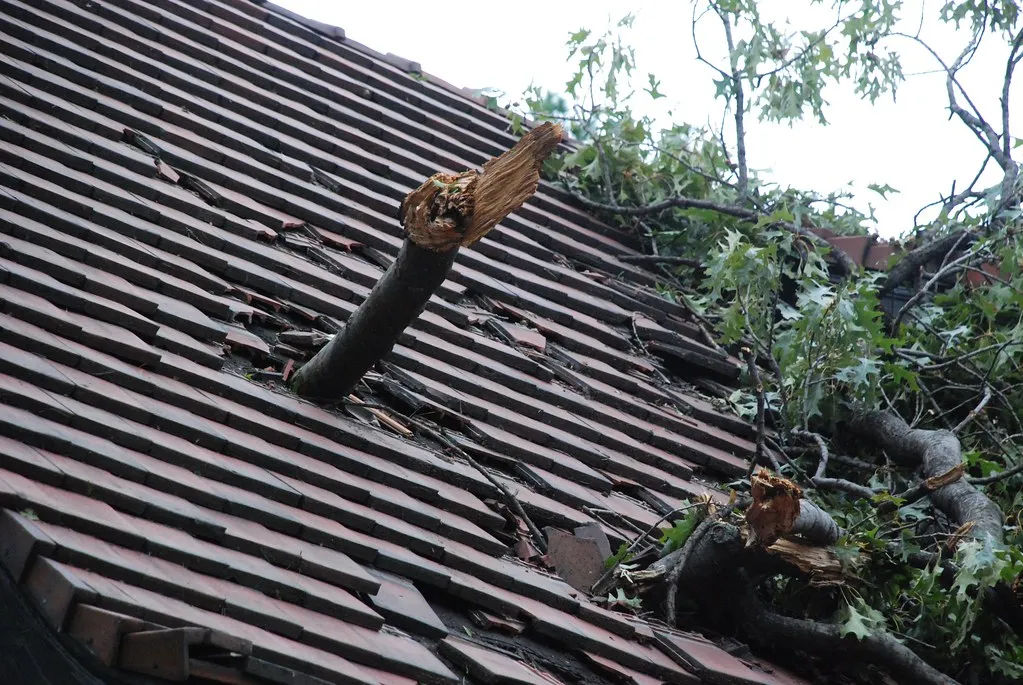
Understanding the impact of trees on roof damage is crucial for homeowners looking to protect their properties effectively. While large trees can be beneficial by providing roofs with protection from high winds, ultimately lowering air conditioning costs. they can also become a source of damage. For instance, falling trees, branches, leaves, and pine needles have the potential to cause significant harm to roofs and create issues like clogged gutters.
To illustrate, consider a scenario where a large oak tree near a house provides shade during scorching summers, reducing the need for excessive air conditioning use, thereby lowering energy bills. However, if not properly maintained, the same tree could shed branches or leaves during a storm, resulting in roof damage and the added hassle of clearing debris to prevent gutter blockages. This highlights the delicate balance between the benefits and risks that trees present to the integrity of roofs, emphasizing the importance of proactive tree management to mitigate potential damage.
Understanding the Impact Roof Tree Damage
Large trees play a crucial role in protecting roofs from high winds and harmful UV rays, thereby reducing air conditioning costs. For instance, strategically planted trees can act as natural barriers, shielding homes from strong winds and extreme sunlight. However, while trees offer these beneficial aspects, they can also pose risks to the structural integrity of roofs.
One common risk associated with trees is the potential for falling debris, including branches, leaves, pine needles, and even entire trees. This debris not only has the potential to cause direct physical damage to the roof but can also lead to issues like clogged gutters, which can further exacerbate roof damage. Therefore, homeowners must carefully consider the placement and maintenance of trees around their property to harness the benefits while minimizing the risks they pose to their roofs.
Signs of Tree Instability
Being aware of the signs of tree instability is essential in preventing roof damage. In addition to peeling bark and discolored leaves, keep an eye out for other indicators such as splitting trunks, leaning trees, missing leaves, and rotting branches. For instance, if you notice a tree with a leaning trunk or fungus growth, it could signify potential instability, posing a risk to your roof.
Moreover, swollen spots on trees can also be a clear sign of internal decay, making the tree more susceptible to falling during harsh weather conditions. Understanding these warning signs allows homeowners to take timely action, such as trimming or removing the unstable tree, to avoid costly roof repairs and ensure the safety of their property. Stay observant of these signs to safeguard your roof and property from the hazards of unstable trees.
Preventive Measures to Avoid Roof Tree Damage
When it comes to safeguarding your roof from potential tree damage, proactive preventive measures play a crucial role in maintaining the structural integrity of your home. One effective measure is pruning young trees to ensure their health and prevent branches from encroaching on the roof, reducing the risk of damage caused by falling limbs or debris. For instance, regular trimming can help control the growth of branches, minimizing the chances of them coming into contact with the roof and causing harm.
Moreover, it is essential to keep the roof clear of any tree debris, such as fallen leaves, fruits, or nuts. This practice not only helps in maintaining the cleanliness of the roof but also prevents the accumulation of debris in gutters, which can lead to blockages and potential water damage. By ensuring that the roof remains free from such debris, homeowners can mitigate the risks associated with clogged gutters and roof deterioration due to organic matter buildup.
In addition to tree maintenance practices, strategic tree placement is another preventive measure that can significantly reduce the likelihood of roof damage. Placing trees at an appropriate distance from the house can help minimize the risk of branches coming into contact with the roof during harsh weather conditions or strong winds, thereby lowering the chances of structural damage. By carefully considering the location of trees in relation to your home, you can create a safer environment that minimizes the potential risks posed by trees to your roof’s well-being.
Remember, by taking these preventive measures, you can proactively protect your roof from tree-related damage and ensure the longevity of your home’s roofing system.
Dealing with Neighbor’s Trees
When it comes to dealing with a neighbor’s tree that poses a risk to your roof, proactive communication is key. Initiate a polite conversation with your neighbor to discuss the tree’s condition and the potential risks it may pose to your property. By addressing the issue early on, you can work together to find a mutually beneficial solution, such as trimming back branches or removing unstable trees to prevent any future damage.
Moreover, it is essential to familiarize yourself with your insurance coverage regarding damage caused by a neighbor’s tree. Understanding your policy can help you navigate any potential conflicts that may arise from tree-related incidents and ensure that you are prepared to handle the situation effectively. In some cases, seeking legal advice may be necessary, especially if disagreements persist regarding the necessary tree maintenance to safeguard your property from roof damage.
In instances where a neighbor’s tree poses a significant risk to your roof, proactive communication, coupled with a clear understanding of your insurance coverage, can help mitigate potential conflicts and protect your property from tree-related damage in the long run. By addressing the issue collaboratively and being informed about your rights and responsibilities, you can create a safer environment for your home and neighborhood alike. Remember, prevention and open dialogue are key to maintaining a harmonious relationship with your neighbors while safeguarding your property from tree-related risks.
Steps to Take in Case of Tree Damage
In the unfortunate event that a tree falls on your home, prompt action is essential to mitigate the damage effectively. Calling a reputable roofer and a certified tree removal specialist immediately after the incident is crucial for assessing the extent of the damage and planning the necessary repairs. These professionals can provide expert advice on the structural integrity of the roof and the safety measures required to address the situation promptly.
Ensuring the safety of all occupants should be the primary concern after a tree damages the roof. If there are any signs of structural instability or if the damage poses immediate risks, evacuating the premises and seeking temporary shelter is highly advisable until the area is deemed safe for re-entry. Additionally, considering temporary fixes, such as placing tarpaulin to cover the damaged area, can help prevent further water infiltration and secondary damages while waiting for insurance approval for comprehensive repairs. These temporary measures can be crucial in safeguarding your home from additional harm and minimizing the impact of the initial tree damage.
In the aftermath of a tree damaging your roof, having a clear plan of action and swiftly implementing necessary steps can significantly contribute to the efficient restoration of your property. By prioritizing safety, seeking professional assistance, and promptly addressing any immediate risks or vulnerabilities, you can navigate the aftermath of tree damage more effectively and ensure the timely recovery and repair of your roof.
Importance of Proper Tree Management for Roof Protection
Proper tree management is essential for safeguarding your roof from potential damage caused by trees. By conducting regular roof inspections and keeping gutters clean, you can promptly identify any tree-related issues and address them before they escalate. For example, fallen leaves and branches can accumulate on the roof, leading to clogged gutters and potential water damage if not promptly removed.
Moreover, strategic tree placement around your property can significantly reduce the risk of tree-related roof damage. By ensuring that trees are at a safe distance from your home, you can minimize the chances of branches scraping or falling onto your roof during storms or strong winds. For instance, planting large trees further away from your house can offer the benefits of shade and wind protection without posing a direct threat to your roof’s integrity.
Taking proactive measures in managing the trees on your property not only enhances the longevity of your roof but also contributes to the overall safety and aesthetics of your home. To learn more about expert solutions for maintaining a healthy roof, consider reaching out to Complete Roofing in Madison, AL, for professional guidance and high-quality roofing services.
Complete Roofing helping Residents with Roof Tree Damage in Huntsville, AL
At Complete Roofing in Huntsville, Alabama, we prioritize the longevity and safety of your home. With our expertise in roof tree damage replacement in Huntsville, Alabama, we understand the importance of proactive measures. By implementing the strategies outlined in this blog post, you can effectively prevent tree-related roof damage and ensure the integrity of your home for years to come. Don’t wait until it’s too late – take action today to safeguard your investment. Contact us for a comprehensive inspection and personalized recommendations tailored to your property’s needs. Let’s work together to protect your home from tree damage and preserve its beauty and structural integrity. Schedule your consultation now and experience the peace of mind that comes with a resilient roof.
Dive into a world of elegance. Transform your space with our exquisite flooring options now!
Specializing in All Types of Flooring
It doesn't matter what type of Phoenix flooring you need, we specialize in all types when it comes to your home of office. There isn't a job too big or too small that we don't have decades of experience with.
(Carpet - Wood - Vinyl - Concrete - Tile - Linoleum - Rubber And so much more..)













Award Winning Designers Work Directly With Manufacturers
Our Alliance Flooring company in Phoenix prides itself on working directly with manufacturers, ensuring we secure the best pricing for our clients. This direct relationship allows us to offer competitive rates without compromising on quality, providing exceptional value in every project.
By bypassing intermediaries, we ensure transparency in pricing and the ability to offer a wide selection of top-tier flooring options. Our approach not only benefits your budget but also grants access to the latest and highest quality products in the market, directly impacting the success and satisfaction of your flooring project in Phoenix.
We'll match you up with the perfect flooring choices for your project. Flooring that meets your lifestyle, budget and needs.