What does Roof Pitch Mean? (The True Meaning)
Unlock the mystery of roof pitch with Complete Roofing! Learn what it means for your home and get expert advice.
Exploring the Significance of Roof Pitch
Roof pitch is a fundamental aspect of roofing construction, determining the slope and design of a roof to ensure proper drainage and structural integrity. The steepness of a roof, known as roof pitch, is expressed as a ratio of rise per horizontal foot or as an angle in degrees, with different types of roofs having varying pitches like flat roofs with a pitch of zero and steep roofs above 9:12 requiring extra fasteners. Considerations for selecting a roof pitch include material availability, aesthetics, ease of construction, climate factors, and local building codes, with pitch being greater in areas with high rain or snowfall and lower in areas with high wind.
Roof pitches can range from as low as 1/2:12 for flat roofs to above 9:12 for steep roofs, with different regions and building codes specifying minimum slopes, and framing carpenters cutting rafters on an angle to pitch a roof. Historically, roof pitch was designated by ratios of ridge height to building width and rafter length to building width, with common roof pitches having specific names. This fundamental element is crucial for safeguarding a building against water damage and ensuring efficient run-off of rain and snow, contributing significantly to the longevity of the roof structure. For instance, in regions prone to heavy snow or high winds, understanding the optimal roof pitch is vital to prevent potential collapses and maintain the safety and durability of the building.
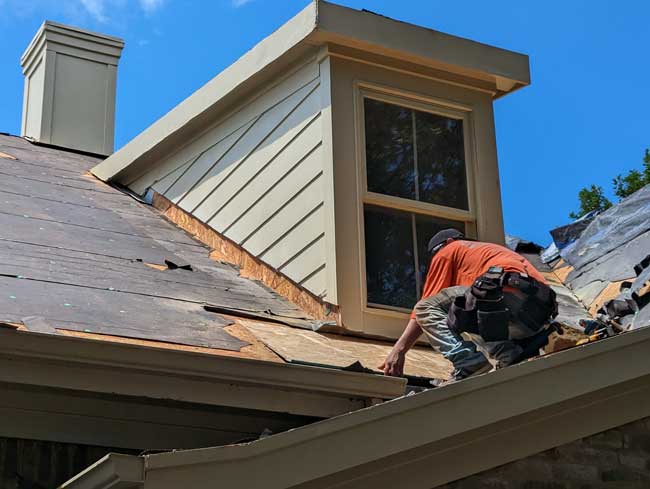
The understanding of roof pitch extends beyond its functional aspects to impact the aesthetics of a structure. Different pitches offer varying architectural styles and visual appeal, influencing the overall look of a building and complementing its design. Moreover, roof pitch is not merely a stylistic choice but a critical factor in the structural integrity and safety of a property. For homeowners in snowy climates like Montana or Ellisburg, NY, where roof collapses due to heavy snow are a concern, selecting the appropriate roof pitch can be a matter of safety and practicality. To explore expert solutions for residential and commercial roofing, including considerations for roof pitch, consult Complete Roofing, a local, family-owned business in Madison, AL, known for its dedication to quality and safety.
Understanding Roof Pitch
Roof pitch, a fundamental element in roofing construction, encompasses the steepness of a roof and is typically articulated as a ratio of rise per horizontal foot or as an angle in degrees. For instance, in regions prone to heavy snowfall, a steeper roof pitch is often favored to aid in efficient snow shedding and prevent structural issues. Conversely, areas with milder weather conditions may opt for a lower roof pitch to accommodate lighter snow or rainfall.
Moreover, the selection of an appropriate roof pitch involves a careful evaluation of multiple factors, including material availability, aesthetic preferences, ease of construction, climatic influences, and adherence to local building codes. An example illustrating this is how in coastal regions with high wind exposure, the roof pitch might be adjusted to minimize wind uplift and enhance the roof’s resistance to severe weather events. This comprehensive approach ensures that the chosen roof pitch aligns with the specific requirements of the location and contributes to the overall resilience of the roofing system.
Furthermore, roof pitch significantly influences the choice of roofing materials, with certain materials better suited for particular pitches. This correlation underscores the importance of understanding how roof pitch impacts the performance and durability of the roof over time, highlighting the essential role it plays in the structural integrity and functionality of the entire roofing system. For instance, a steep roof pitch may necessitate materials with enhanced weatherproofing capabilities to withstand harsh climatic conditions, whereas a lower pitch may allow for a wider range of material options based on aesthetic and cost considerations.
Calculating and Measuring Roof Pitch
When it comes to calculating roof pitch, the process involves determining the relationship between the vertical rise and the horizontal span of the roof, which essentially quantifies the steepness of the roof. For instance, a roof with a 6:12 pitch means that for every 12 horizontal inches, the roof rises by 6 vertical inches. This calculation is vital as it influences the choice of roofing materials suitable for the specific pitch of the roof, ensuring optimal performance and longevity.
Accurate measurement of roof pitch is not only essential for selecting the right materials but also for proper installation to prevent potential issues such as leaks and structural damage. For example, a high-pitched roof may require different materials and installation techniques compared to a low-pitched roof. Additionally, tools like SmartVent and StarterBaffles are highly recommended for roofs with specific pitches. SmartVent aids in efficient attic ventilation for pitches of 4/12 or higher, while StarterBaffles facilitate airflow from the eave/soffit area, contributing to the overall health and durability of the roof. These tools play a crucial role in maintaining the attic environment, preventing moisture buildup, and extending the lifespan of the roof, making them valuable additions for homeowners looking to enhance their roofing system.
Importance of Roof Pitch in Roofing Construction
The importance of roof pitch in roofing construction cannot be overstated. One of the key functions of roof pitch is its role in preventing water damage and ensuring effective runoff of rain and snow, which ultimately safeguards the structural integrity and longevity of the roof. For example, in areas with heavy snowfall, a steeper roof pitch is essential to prevent snow accumulation that could lead to potential roof collapse during winter months. On the other hand, regions with high wind exposure may benefit from a lower roof pitch to minimize wind resistance and structural stress.
Moreover, beyond its functional significance, roof pitch also greatly influences the visual aesthetics of a building. Different roof pitches offer unique architectural styles and curb appeal, allowing homeowners and architects to customize the look of a structure based on their preferences and design vision. For instance, a steeply pitched roof can evoke a sense of tradition and grandeur, while a more shallow pitch may result in a modern and minimalist appearance. By carefully selecting the appropriate roof pitch, property owners can enhance the overall look and feel of their homes or buildings.
Additionally, ensuring the proper roof pitch is crucial for the safety and durability of a building, particularly in areas prone to extreme weather conditions like heavy snow or high winds. By choosing the right roof pitch that aligns with the specific climate and environmental factors of a region, homeowners can mitigate potential risks and enhance the resilience of their roofs against the elements. This emphasizes the need for informed decision-making when determining the most suitable roof pitch for a property to guarantee its long-term structural soundness and weather resistance.
Impact of Roof Pitch on Roof Replacement and Maintenance
When considering the impact of roof pitch on roof replacement and maintenance, it is crucial to understand how the complexity and safety measures required for steeper pitches can significantly affect the overall cost of the project. For instance, roofs with higher pitches demand more intricate installation procedures and safety precautions, leading to increased labor costs and the need for specialized equipment. This highlights the importance of selecting an appropriate roof pitch that not only complements the architectural design but also aligns with long-term financial considerations, ultimately optimizing the investment in roof replacement.
Moreover, the correlation between roof pitch and the choice of roofing materials is a key factor to address when planning for roof replacement. Different roofing materials are specifically tailored to accommodate varying roof pitches, taking into account factors such as slope, weight distribution, and weather resistance. For example, materials like asphalt shingles are commonly used for low to moderately pitched roofs, while metal roofing may be preferred for steeply pitched roofs due to its durability and shedding properties. By understanding how roof pitch influences material selection, homeowners can make informed decisions that enhance the longevity and performance of their new roof.
To ensure the safety and structural integrity of a roof during replacement or maintenance projects, seeking professional guidance from a reputable roofing contractor is paramount. These experts possess the knowledge and experience to accurately assess roof pitch, recommend suitable materials, and execute the installation process with precision. By engaging a professional contractor, homeowners can mitigate the risks associated with incorrect pitch calculations, safeguarding their investment and guaranteeing a well-constructed roof that withstands the test of time. Consulting with roofing professionals not only ensures quality workmanship but also provides peace of mind regarding the reliability and longevity of the roof system.
Common Roof Failures, Prevention Strategies, and Safety Measures
When it comes to roofing, understanding common roof failures is paramount to maintaining the structural integrity of your home. One prevalent issue is water leakage, which can lead to extensive damage if not addressed promptly. By ensuring proper design and detailing during roof construction, homeowners can significantly reduce the risk of water infiltration. For instance, using high-quality underlayment and flashing materials can create a watertight barrier that protects the roof deck from moisture seepage, preventing leaks that may compromise the roof’s integrity.
Additionally, condensation and ice dams pose significant challenges, especially in regions with cold climates. Condensation can occur due to poor ventilation or insulation, leading to moisture buildup in the attic. To combat this, homeowners should consider insulation placement on the exterior, a strategy that not only helps regulate indoor temperatures but also minimizes the risk of condensation-related issues. Moreover, in areas prone to ice dams, proper ventilation and insulation are crucial to prevent the formation of ice on the roof edges, which can result in water backing up under the shingles and causing leaks. By understanding the airflow dynamics and vapor diffusion control in unvented cathedral ceilings, homeowners can implement effective strategies to enhance roof performance and durability, particularly during harsh weather conditions.
To ensure the longevity of your roof and safeguard your home against these common failures, it is advisable to consult with professional roofing contractors who have the expertise to address these issues effectively. By partnering with experienced professionals, homeowners can receive tailored solutions that not only prevent roof failures but also enhance the overall performance and longevity of their roofing systems. Remember, proactive maintenance and strategic planning are key to mitigating risks and ensuring a secure and durable roof for years to come.
Ensuring Safety, Durability, and Aesthetics Through Proper Roof Pitch
Roof pitch is not only essential for the structural integrity and safety of a building but also plays a significant role in enhancing the durability and aesthetics of the roof. For instance, in areas prone to heavy snowfall, such as Ellisburg, NY, roofs with steeper pitches are crucial for facilitating efficient snow shedding and preventing the accumulation of heavy snow loads that can lead to structural damage. Conversely, regions with milder climates may benefit from roofs with lower pitches to manage light snow or rainfall effectively while maintaining a visually appealing architectural design.
Moreover, when homeowners choose the appropriate roof pitch for their location, they are not only ensuring the safety and longevity of their property but also enhancing its curb appeal and overall value. For example, a house in a snowy region like Montana with a steeply pitched roof not only withstands heavy snow loads but also exudes a charming aesthetic that complements the natural surroundings. By consulting with professionals like Complete Roofing in Madison, AL, homeowners can receive expert guidance on selecting the ideal roof pitch that aligns with both functional and aesthetic requirements, ultimately leading to a structurally sound and visually pleasing roof. For further insights and tailored roofing solutions, visit Complete Roofing’s website to explore a wide range of expert services and high-quality roofing materials tailored to specific pitch requirements.
Complete Roofing: The #1 Roofing Company
Understanding roof pitch is crucial for any homeowner embarking on a roofing project. At Complete Roofing, we’re dedicated to providing comprehensive roofing solutions tailored to your specific needs in Alabama and beyond. Whether you’re in need of repairs, replacements, or installations, our team of experts is here to guide you through every step of the process. Don’t let the complexities of roof pitch deter you from achieving the perfect roof for your home. Contact us today to schedule a consultation and let Complete Roofing ensure your roof not only meets but exceeds your expectations. Trust us to elevate your roofing experience to new heights. If you’re in need of a trusted Huntsville Roofing Company, Complete Roofing is here to help!
Dive into a world of elegance. Transform your space with our exquisite flooring options now!
Specializing in All Types of Flooring
It doesn't matter what type of Phoenix flooring you need, we specialize in all types when it comes to your home of office. There isn't a job too big or too small that we don't have decades of experience with.
(Carpet - Wood - Vinyl - Concrete - Tile - Linoleum - Rubber And so much more..)









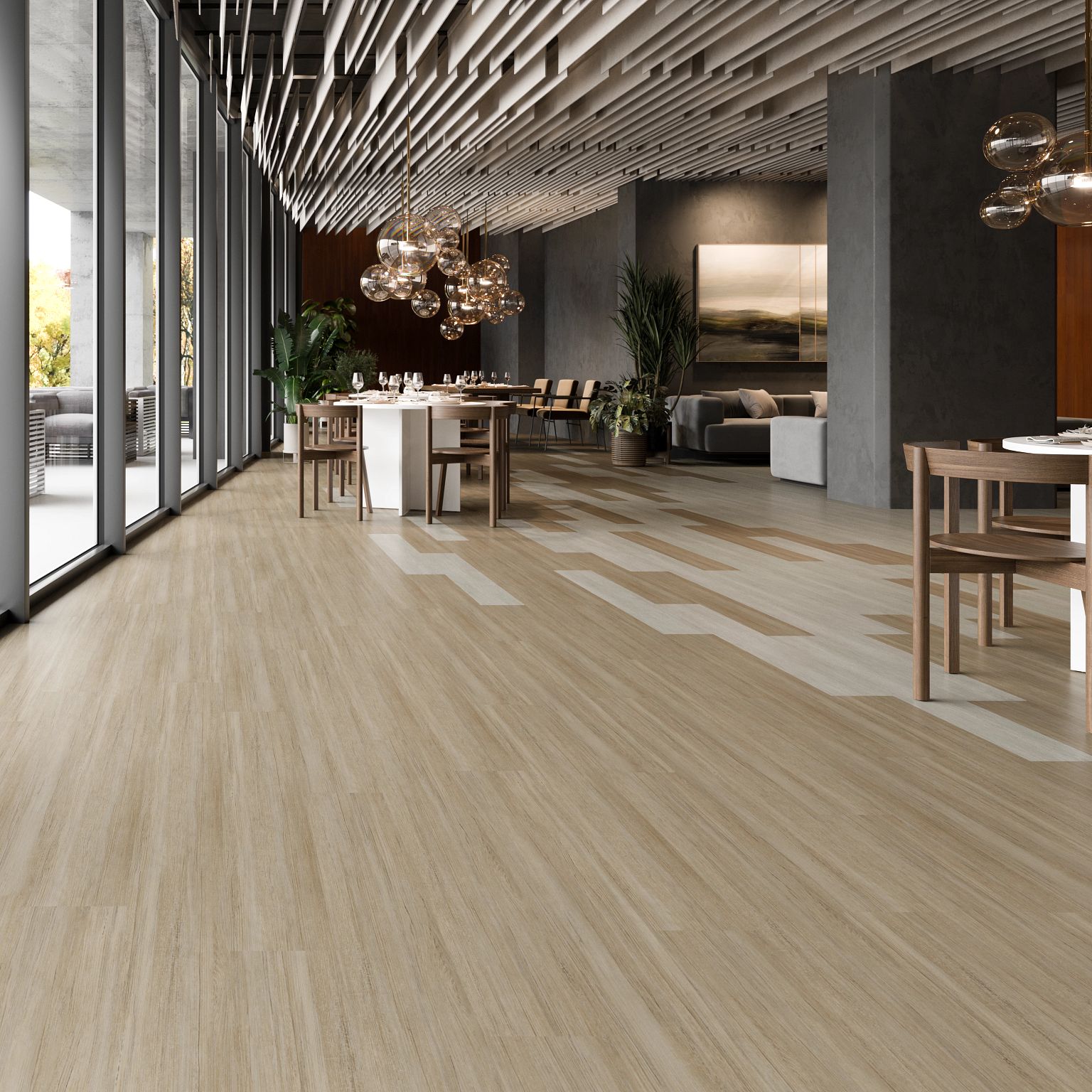
Award Winning Designers Work Directly With Manufacturers
Our Alliance Flooring company in Phoenix prides itself on working directly with manufacturers, ensuring we secure the best pricing for our clients. This direct relationship allows us to offer competitive rates without compromising on quality, providing exceptional value in every project.
By bypassing intermediaries, we ensure transparency in pricing and the ability to offer a wide selection of top-tier flooring options. Our approach not only benefits your budget but also grants access to the latest and highest quality products in the market, directly impacting the success and satisfaction of your flooring project in Phoenix.
We'll match you up with the perfect flooring choices for your project. Flooring that meets your lifestyle, budget and needs.